
Tooth Extractions San Antonio
Removing Damaged Teeth & Boosting Oral Health

At Potranco Family Dental, our primary goal is to preserve your teeth. However, there are certain cases where, in order to do that, we’ll need to extract one. If we determine that’s the case for you, don’t worry – we will numb your mouth thoroughly to ensure you don’t feel any pain in the process. If you are interested in learning more about this emergency dental treatment leading up to your appointment, you’re welcome to read on or give us a call.
Why Choose Potranco Family Dental for Tooth Extractions?
- We Accept Dental Insurance & Offer Financing
- Dentist with Over 10 Years of Experience
- Caring & Knowledgeable Dental Team
Reasons Why Tooth Extractions Are Necessary

We typically recommend tooth extractions in the following situations:
- A tooth is impacted below the gumline.
- There’s not enough room in the mouth to undergo orthodontic treatment.
- A tooth is damaged beyond repair.
- A tooth infection has spread to the roots of a tooth.
The Process of Removing a Tooth
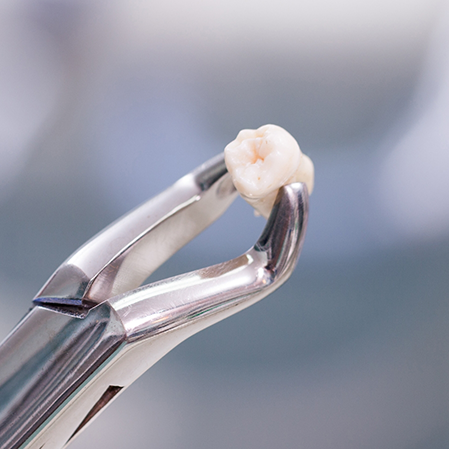
When you arrive at our office, a friendly member of our team will help you settle comfortably into the treatment chair. Then, Dr. Ajneesh Chhabra (Dr. AJ) will numb your mouth thoroughly. Once you’re ready to begin, he will intervene with either:
- A simple extraction: If the tooth in question has broken through the gumline, then he can use special tools to grip the tooth and rock it loose until it’s ready to be removed.
- A surgical extraction: If the tooth is trapped underneath the gumline, then a small incision needs to be made before the tooth is removed section by section.
Tooth Extraction Aftercare

Following the procedure, you will need to get plenty of rest. During this time, we recommend that you:
- Eat only extremely soft foods, like seedless fruit smoothies
- Take prescribed or OTC pain medication as directed
- Keep your head elevated, even while you sleep
- Change the gauze as needed
- Don’t use a straw, spit, or smoke
- Brush and floss carefully, especially around the extraction site
If your tooth is visibly decayed, you’re in a great deal of oral pain, or you’re experiencing another abnormal symptom that makes you think you’d benefit from an extraction, call our office as soon as possible. Over the phone, we can schedule an emergency dental visit and walk you through what to do to protect your tooth from further harm until you arrive.
Understanding the Cost of Tooth Extractions

Even if you know that tooth extraction is the best way to protect your oral health and the rest of your smile, we understand that you’re probably quite interested in knowing how much the treatment will cost before you agree to it. Here’s a quick look at how tooth extractions are priced at Potranco Family Dental as well as possible insurance coverage and financing options, but please contact our office in San Antonio if you have any questions.
Factors That Can Affect Tooth Extraction Cost
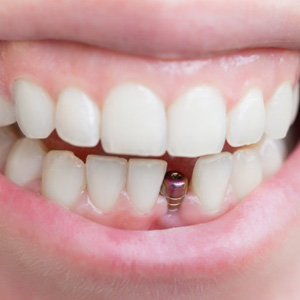
The cost of your tooth extraction will depend on a variety factors, but a few of the most important are:
- The type and location of the tooth: Larger teeth that are located farther back in the mouth have more complicated anatomy and are harder to reach, so removing them is usually more costly.
- The potential need for a specialist: In especially complex cases, it may be necessary to refer you to a specialist who uses a different pricing system.
- Restoration: It’s usually best to replace missing teeth as soon as possible, and we’ll be happy to discuss your restoration options with you during your consultation. We offer a selection of wonderful tooth replacement devices such as dental bridges, dentures, and implants.
Does Dental Insurance Cover Tooth Extractions?

Dental insurance policies usually consider tooth extractions to be major restorative procedures that are often covered by around 50%. However, your plan may impose limitations such as a deductible that must be met before coverage kicks in, an annual maximum that limits how much money your policy will pay in a year, or a waiting period before your benefits take effect. During your consultation, our staff will be happy to help you navigate your insurance policy so you can understand what it will pay for.
How to Make Tooth Extractions Affordable

We understand that many patients may have difficulty fitting tooth extractions into their budgets, and we’re eager to make sure everyone can get the dental care they need to be happy and healthy. We offer several options that can help make your procedure more affordable, such as:
- Our $39 limited exam and X-ray special
- Flexible financing options: We parter with CareCredit, Lending Club, and Cherry to offer our patients payment plans that can break their dental bills into easy monthly installments with little to no interest.
The team at Potranco Family Dental will be happy to help you understand your payment and financing options when we see you at our office, so please feel free to schedule a consultation at your convenience.
Tooth Extractions FAQs
What Are My Options for Replacing a Missing Tooth?
We offer a variety of tooth replacement options! Your dentist in San Antonio would be happy to talk with you about them in more detail, but here’s a brief description of each:
- Dental Bridges. Perfect for replacing one missing tooth or several teeth that are missing in a row. Crowns or dental implants will be situated on either side of your gap, and a set of false teeth will fill in the empty space.
- Full or Partial Dentures. Full dentures can replace an entire arch of teeth, while partial dentures can be customized to fill in gaps that are scattered across your smile.
- Dental Implants. We can fix a crown to a single dental implant post or use multiple implants to support a bridge or denture. In any case, you’ll have a restoration that is more secure, durable, and powerful.
- All-On-4s. This special implant denture uses just four implant posts instead of the typical six to eight. We recommend all-on-4s for those with low jawbone mass.
Can I Smoke After Getting a Tooth Extracted?
The chemicals in any tobacco products, not just cigars and cigarettes, can delay healing and significantly increase the risk of infection. You should absolutely avoid smoking completely for at least two weeks after your tooth extraction in San Antonio.
We know that quitting tobacco can be difficult, so if you need extra support, please let us know. We’ll help in any way we can and, if you’d like, can get you connected with local resources.
How Long After a Tooth Extraction Can I Get Dentures?
After your mouth is completely healed, your dentist in San Antonio will take impressions of your mouth and send your oral measurements to a dental lab. The skilled technicians there will use the information we provide to fabricate and customize your dentures. When they’re done, they’ll send the final restoration back to us so you can try them on in-office.
All told, the process takes about six to eight weeks. Depending on how quickly your mouth heals, though, this timeline could be longer or shorter. It’s very important that we take impressions after you’ve made a fully recovery – otherwise, the shape of your oral structure will continue to change, and your dentures will likely not end up fitting very well.
What Risks Are Involved with Tooth Extractions?
Tooth extractions are generally considered to be extremely safe and low risk. That said, all medical procedures come with a small risk of infection. The aftercare instructions we’ll provide you with are meant to help you avoid post-treatment complications, so it’s important to follow them and let us know if you have any questions!
Another risk with tooth extractions in particular is “dry socket.” This painful condition occurs when the healthy blood clot protecting your empty tooth socket becomes dislodged. This is the main reason we advise patients not to use straws, not to spit, and to avoid strenuous activities.