
If you made it through your teens and twenties without getting your wisdom teeth removed, it’s easy to assume you’re home free. The truth is, they can become a problem even further down the road—there’s no statute of limitations on pain. Thankfully, that also means that there’s no age limit on the solution either. Wisdom tooth extractions have been performed on adults in their 30s, 40s, and beyond. However, there are some things worth knowing before you schedule an appointment.
Earlier Treatment Is Easier
The longer you wait to have your wisdom teeth removed, the harder it becomes. This is why dentists typically recommend having them evaluated and removed in your late teens or early twenties. At that age, the roots aren’t fully developed yet, and the surrounding bone tends to be more pliable. This makes the extraction more straightforward and keeps your recovery smooth.
As you get older, the roots become longer and more firmly anchored in your jaw. The bone also becomes denser and less forgiving. This doesn’t make removal impossible—it just means the procedure may be more involved, and healing may take longer.
When Removal Is Still Necessary
Some people can go their entire lives without needing their wisdom teeth out, but that’s a rare few. If your extra molars are impacted, infected, decayed, or pushing neighboring teeth out of alignment, the risks of leaving them alone only continue to grow. Infections around wisdom teeth can spread quickly and become serious if left untreated, regardless of age.
Even if your mischievous molars have been quiet for years, they can start causing problems later in life. Changes in jaw structure, shifting teeth, and wear over time can all trigger unexpected discomfort and dental issues down the road.
What to Expect from the Process as an Older Patient
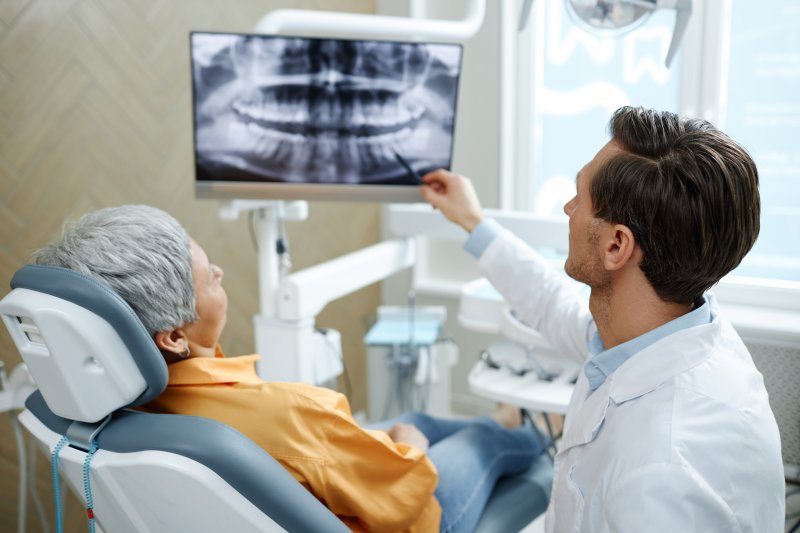
During your consultation, your dentist will assess the position of your wisdom teeth with X-rays and give you a clear picture of what to expect before anything begins. In some cases, especially as you age, they can become stubborn to remove, often requiring extra steps like sectioning them into smaller pieces or light surgery.
Recovery after extraction is generally manageable with proper aftercare. Soft foods, pain medication, avoiding straws, and following your dentist’s instructions closely are the most important guidelines to follow.
If your wisdom teeth are giving you trouble, your age isn’t a reason to ignore them. So, don’t hesitate to reach out to your dentist and find relief fast.
About the Author
Dr. Ajneesh “AJ” Chhabra earned his dental degree from the USC Herman Ostrow School of Dentistry and has been practicing dentistry for over a decade. At Potranco Family Dental, he has remained committed to providing comprehensive, patient-centered care from wisdom tooth extractions to dental implants and beyond. Call (210) 686-1082 or visit our website to schedule an appointment with us today.