
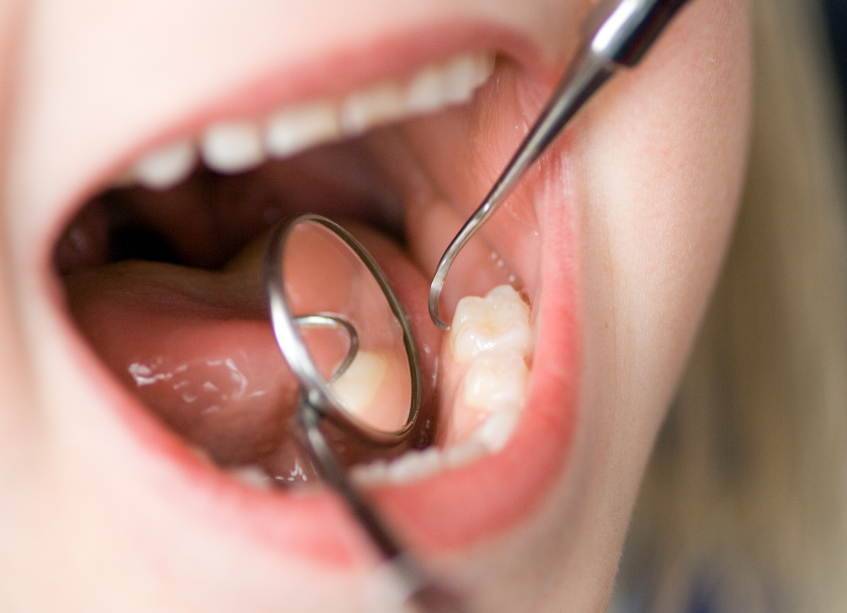
Dental fillings are one of the most common restorative dental treatments, helping repair cavities and protect teeth from further damage. However, fillings aren’t designed to last forever. Depending on the material used and how well you care for your teeth, yours could last anywhere from several years to a couple of decades!
So, how do you know when a filling needs to be replaced? Let’s look at what affects its lifespan, the warning signs to watch for, and how to keep your restorations in good condition.
How Long Do Different Types of Fillings Last?
One of the biggest factors affecting the lifespan of a dental filling is the material it’s made from. Some materials are more durable than others, while certain options offer additional cosmetic benefits.
Here are some general estimates:
- Composite fillings: These tooth-colored restorations typically last around 5 to 10 years. They’re popular because they blend in with your natural teeth.
- Amalgam fillings: Often called silver fillings, these metal restorations are known for their durability and can last 10 to 15 years or longer.
- Gold fillings: Gold is exceptionally durable, with restorations sometimes lasting 20 years or more.
- Porcelain restorations: These tooth-colored options can last around 10 to 15 years or longer with proper care.
- Glass ionomer fillings: These are generally less durable and may last around 5 years, although their lifespan varies depending on where they’re placed.
These timeframes are estimates rather than expiration dates. Some fillings last much longer, while others may need attention sooner.
What Affects How Long Your Filling Lasts?
Beyond the filling material itself, several factors can influence how long your restoration stays in good condition.
For example, larger fillings may be more vulnerable to damage because less natural tooth structure remains to support them. Fillings on molars also experience considerable pressure from chewing, which can contribute to wear over time.
Your everyday habits matter, too. Frequently eating hard foods, chewing ice, or using your teeth to open packages can damage dental restorations. Teeth grinding and clenching can also place excessive pressure on fillings, increasing the risk of cracks or fractures.
Finally, poor oral hygiene can contribute to new decay around the edges of an existing filling. Even though the filling material itself can’t develop cavities, the natural tooth surrounding it can!
How Do You Know When a Filling Needs Replacing?
Sometimes, a damaged filling causes noticeable symptoms. Other times, problems develop without any obvious discomfort.
Here are a few warning signs to watch for:
- Tooth sensitivity: New or persistent sensitivity to hot, cold, or sweet foods may indicate a problem.
- Pain when chewing: Discomfort when biting down could suggest a damaged filling or underlying tooth issue.
- Visible damage: Cracks, chips, rough edges, or a filling that feels loose may indicate it’s time for an evaluation.
- Changes around the filling: Darkening or visible gaps around its edges may warrant a closer look.
Your dentist can examine your restoration and use dental X-rays when appropriate to check for hidden decay or other problems. Depending on the damage, they may recommend repairing or replacing the filling. If too much natural tooth structure has been lost, a dental crown may provide better protection.
How Can You Make Your Fillings Last Longer?
Fortunately, a few everyday habits can help protect your dental restorations. Brush twice daily with fluoride toothpaste, floss every day, and attend routine dental visits so your dentist can monitor existing fillings.
It’s also helpful to limit sugary snacks, avoid chewing hard objects, and ask about a custom nightguard if you grind your teeth.
Protecting your fillings helps protect the natural teeth underneath them, too!
About the Practice
Potranco Family Dental provides comprehensive dental care for individuals and families in San Antonio, TX. The practice offers preventive, restorative, and cosmetic dentistry, including treatments designed to repair damaged teeth and maintain long-term oral health. The team emphasizes personalized treatment plans, patient education, and creating a welcoming environment where patients can feel comfortable caring for their smiles.
Call us at (210) 686-1082 or schedule your appointment online